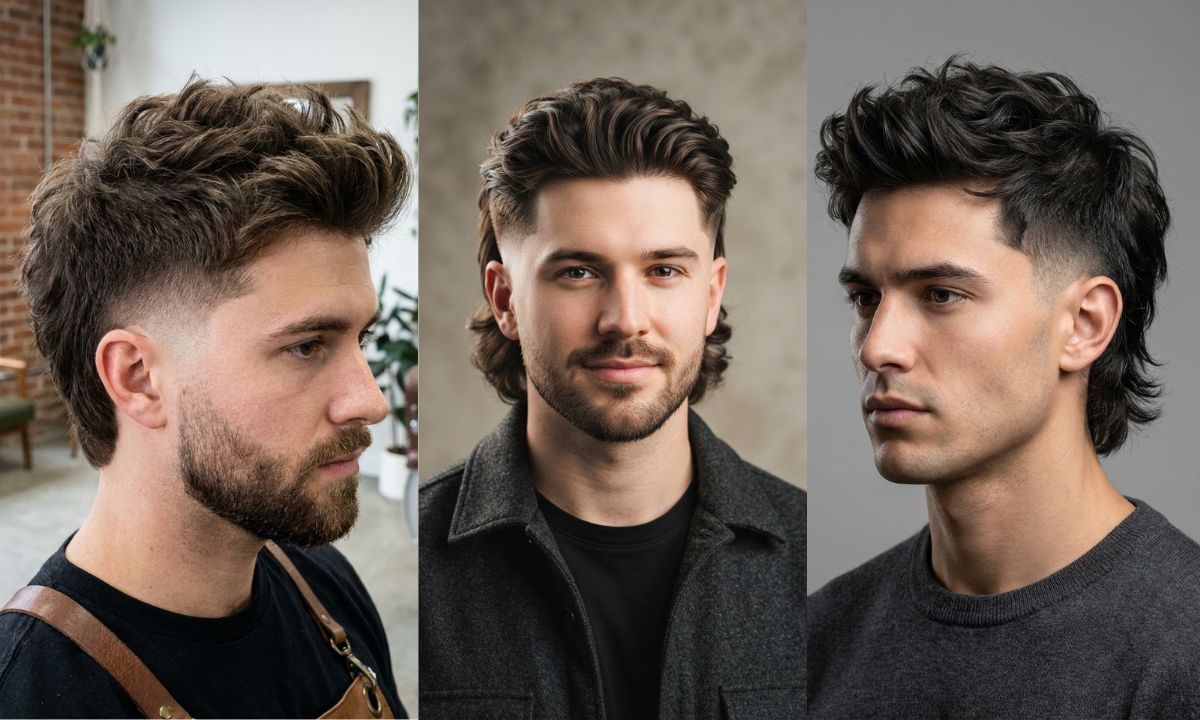
Want a haircut that looks sharp at work and still has some edge on the weekend? The low taper mullet does exactly that. It keeps your sides short, your top textured, and lets the back grow out with a bit of personality.
This guide walks you through every version of the low taper mullet haircut, how to pick one for your face and hair type, and how to keep it looking fresh between visits. No fluff. Just what you need to walk into your next barber appointment knowing exactly what to ask for.
What Is a Low Taper Mullet
A low taper mullet sits close to the ear and blends into a longer, layered mullet haircut at the back. It’s not the loud, choppy mullet your uncle had in the 90s. This one’s cleaner.
The front stays neat and structured. The back does its own thing with a smooth, gradual transition instead of a hard line. That’s the whole appeal of a modern mullet haircut, it looks intentional, not accidental.
Think of it as a bridge between a professional hairstyle and something with a little rebellion in it. You get the office-friendly haircut on one side and a weekend hairstyle vibe on the other, all from the same cut.
Face Shape and Hair Type Guide
Before you sit in the chair, it helps to know what actually works for your face and texture. Not every haircut variation suits every guy, and that’s fine. A quick face shape guide saves you a bad haircut and an awkward month of growing it out.
If you’ve got fine or flat hair, a straight low taper mullet adds fake fullness through the top. Thick hair does better with a taper mullet fade since it strips out bulk without touching the flow in the back. Round faces look sharper with extra height up top, and square faces soften nicely with a gentler temple blend.
Curly and wavy guys, don’t skip this part either. A low taper fade on modern mullet frames curls without letting them puff out of control. Bring a photo to your barber and mention your hair texture upfront. It saves everyone time.
Read More: 7 Best Hispanic & Mexican Low Taper Fade Styles (2026 Guide)
Variations of the Low Taper Mullet
There isn’t just one way to wear this cut. Here are fifteen takes on the low taper mullet, each built around a different hair type, face shape, or lifestyle.
1) Low Taper Mullet (Baseline)

This is your starting point if you’re new to the style. A gentle neckline taper, light texture on top, and a back that falls near the collar. Nothing extreme, just a clean, wearable version of the cut.
Styling takes under three minutes. A spray of sea salt texture spray, a quick blow dry, and a small amount of matte styling clay through the top. That’s the whole routine.
2) Low Taper Mullet Fade
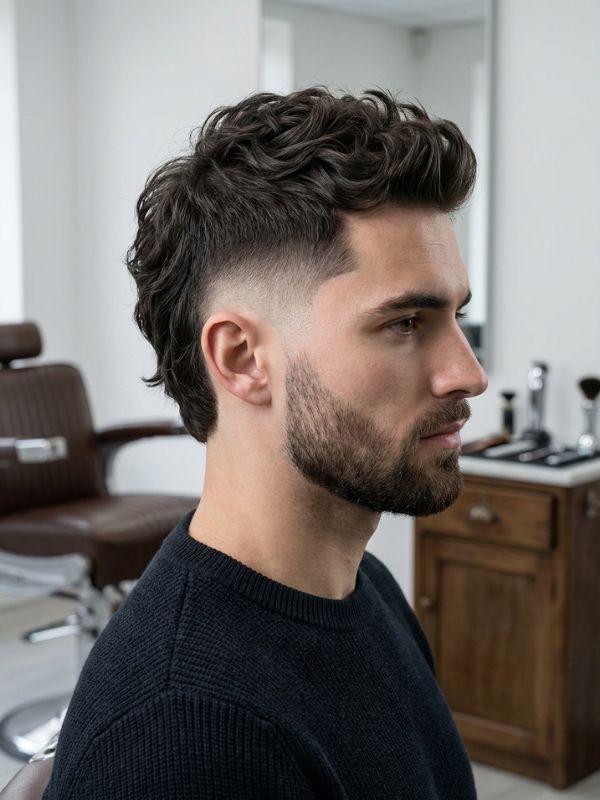
Here the clean taper gets sharper for more contrast between the sides and the back. It’s a solid pick if you wear hats or helmets often, since the outline holds its shape even after being squashed all day.
This sits closer to a low fade mullet haircut without going full skin fade. Bold enough to notice. Clean enough for any setting.
3) Low Taper Mullet Straight Hair
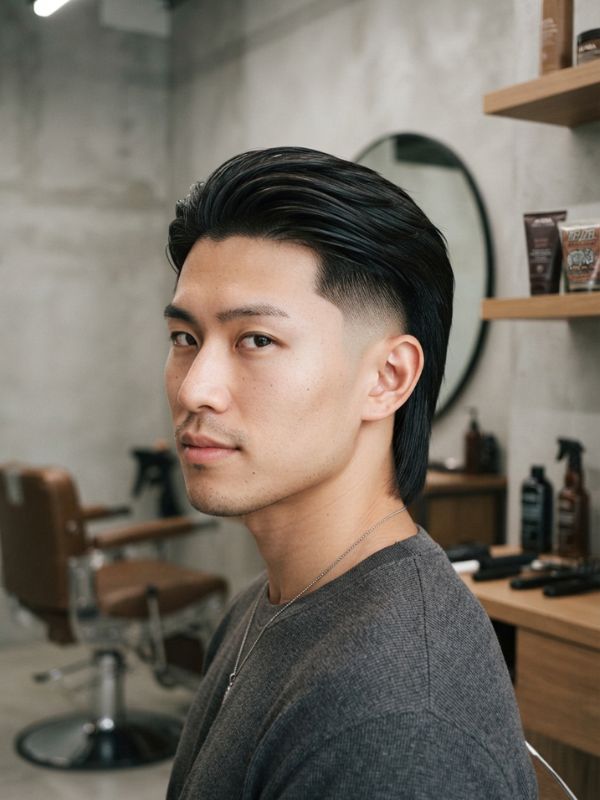
Straight strands can flatten out at the back if the layers aren’t cut right. This straight hair mullet uses deliberate layering so the ends don’t clump together into one heavy chunk.
A light hair texture spray before blow drying is usually all it needs. Low maintenance and easy to keep looking sharp day to day.
4) Low Taper Mullet Curly Hair
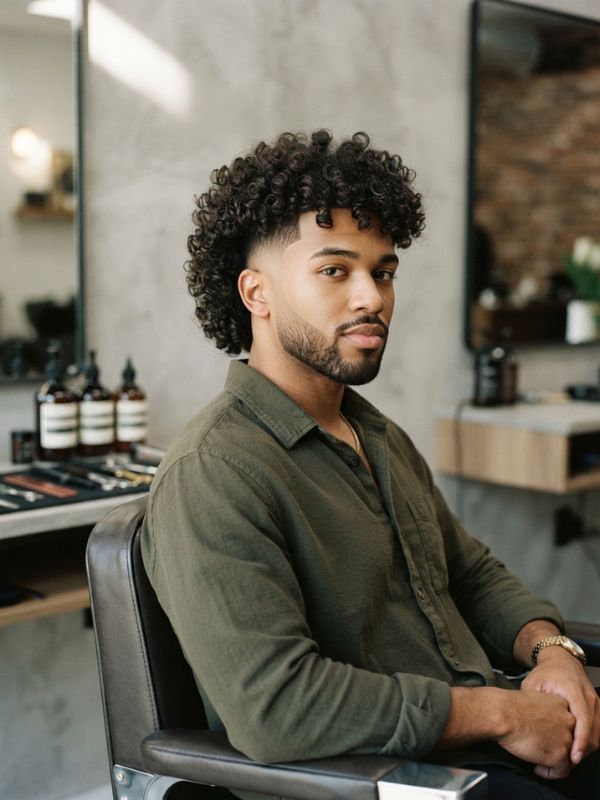
Curls need the sides trimmed down so they don’t take over the whole look. This curly mullet taper keeps soft layers in the back so your curl pattern stays visible and healthy.
Apply curl cream from mid-length to the ends, then diffuse on low heat. It reads professional at work and still keeps its natural bounce off the clock.
5) Low Taper Mullet Wavy Hair
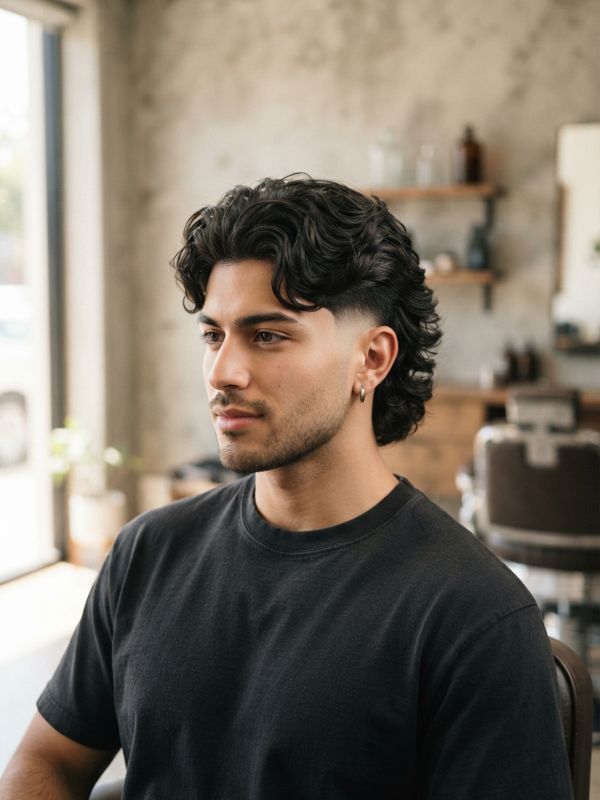
Waves either stack up nicely or turn into a mess, there’s rarely an in-between. This wavy hair mullet uses light layering so the wave builds through the back without puffing outward.
Dry on low heat, finish with a touch of styling cream for definition. The clean taper on the sides keeps all the attention on the movement in the back.
6) Modern Mullet Taper Fade
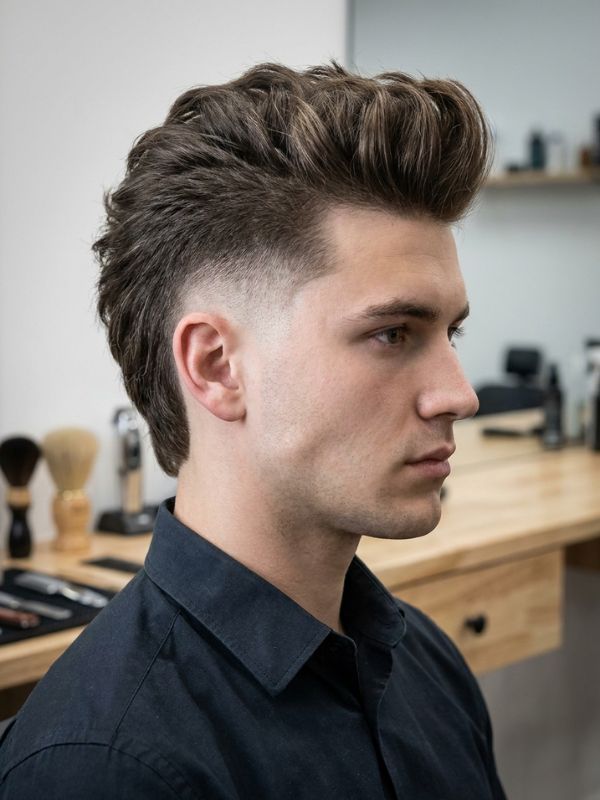
The modern mullet taper fade is your go-to for a high-contrast look that still passes as office-friendly. Crisp edges, natural layering in the back, and enough length on top to shape however you like.
Daily upkeep is simple: sea salt spray on damp hair, blow dry low, then a fingertip of matte pomade. The blend holds for weeks.
7) Taper Mullet Fade
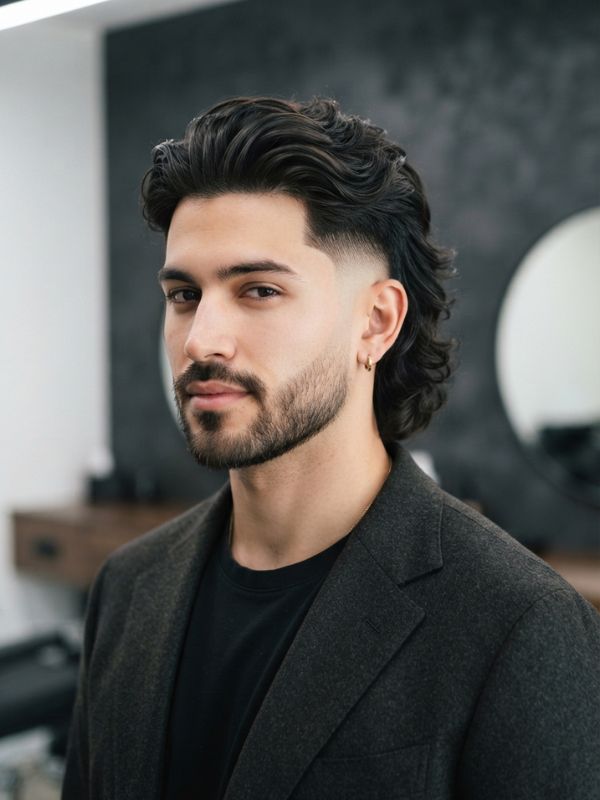
This version shortens the sides more aggressively near the ear, giving you a leaner side profile. It works especially well for thick hair mullet wearers whose cheeks tend to widen out.
Ask your barber for soft layers in the back so the ends move naturally instead of sitting stiff. A genuinely versatile taper fade hairstyle.
8) Mid Taper Mullet
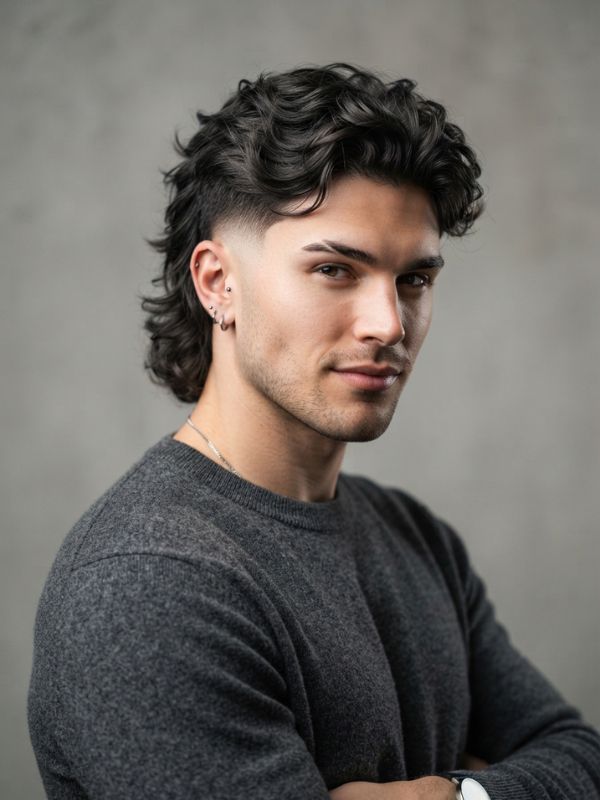
The mid taper mullet raises the taper slightly, sitting between the ear and the temple. That subtle lift helps balance round face shapes while keeping the back at a medium, easygoing length.
It also grows out cleanly. On a standard four to six week trim schedule, it still looks intentional even a little past due.
9) High Taper Mullet
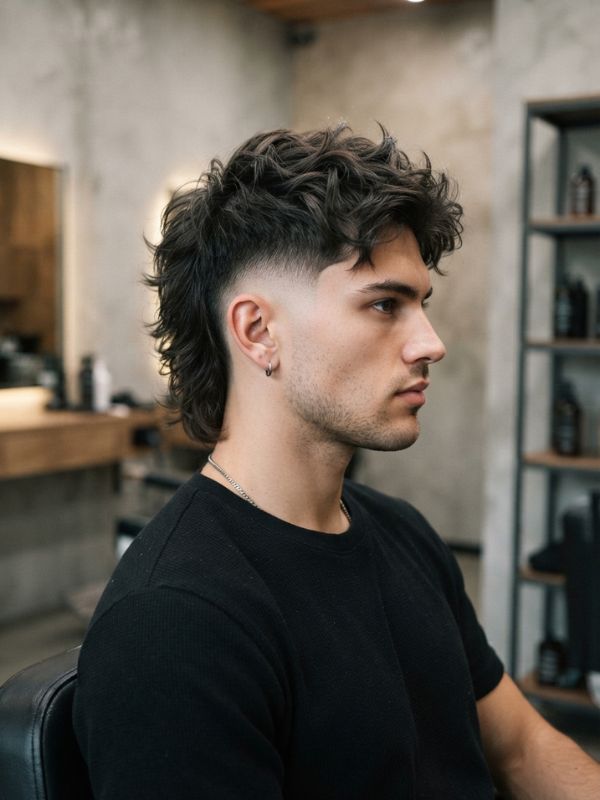
Want maximum contrast without a full skin fade? The high taper mullet sets the taper near the temples. Bold, photo-ready, and great for thick hair mullet types looking to shed bulk.
Pair it with short stubble and skip the shiny products. Matte finishes suit this one far better.
10) Tapered Mullet
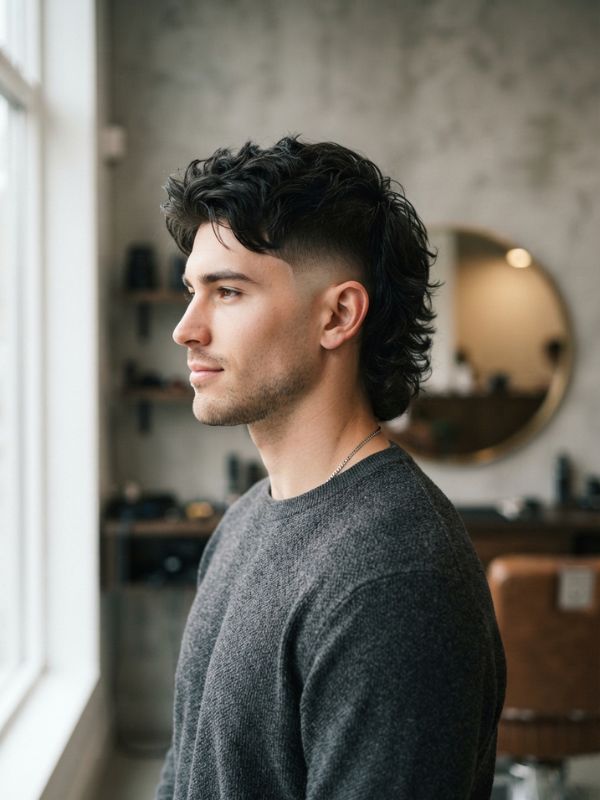
The most understated pick on this list. Everything here stays soft, gradual, and easy on the eyes, perfect if your workplace has a stricter dress code but you still want a bit of edge.
It also grows out cleanly between cuts, so you’re not rushing back to the barber every few weeks.
11) Short Low Taper Mullet
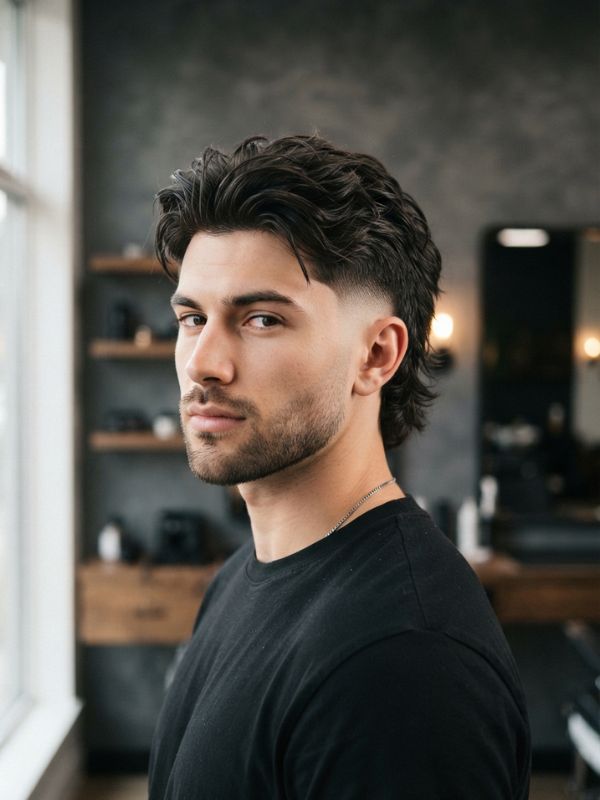
This is your low maintenance mullet in its purest form. Modest length in the back, textured top, and a tidy taper. You get the mullet shape without going all-in.
Because the proportions stay balanced, you can stretch time between barber visits a bit further than most versions.
12) Low Taper Mullet Middle Part

A center part creates an even, symmetrical flow on both sides. It works best on straight or lightly wavy hair. Pair it with a relaxed outfit and it becomes one of the most effortless modern men’s haircut options around.
Ask for soft layers so both sides fall the same way. Simple to style, easy to maintain.
13) Low Taper Mullet Flow
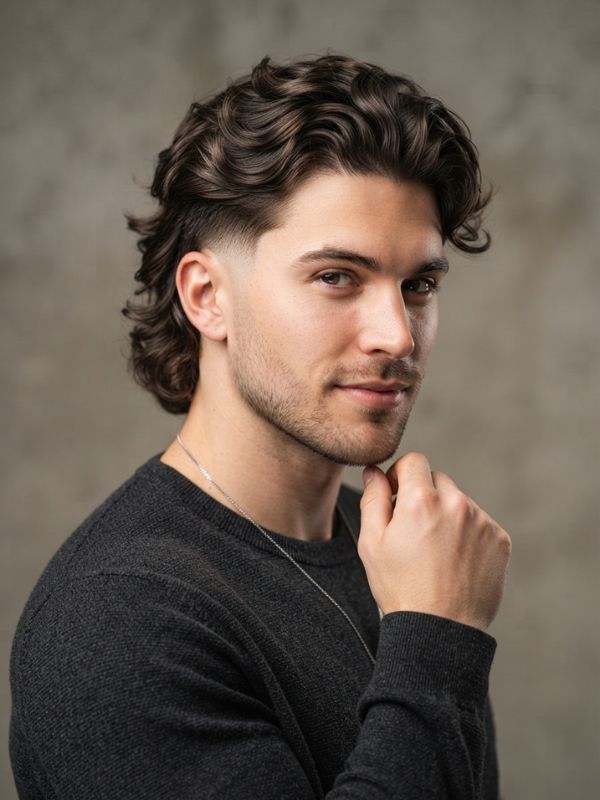
This one’s all about natural hair flow. The taper stays low, the back is layered so the hair moves when you walk. Less structured, more organic.
Use a sea salt texture spray before drying, then a small bit of styling cream so it doesn’t stiffen up. Genuinely effortless for guys who don’t love fussing with product.
14) Men’s Low Taper Mullet
Built for versatility. A tidy neckline, smooth hairline blending, and a medium back length that works with jackets and t-shirts equally well. A solid, professional mullet that doesn’t stand out in formal settings but still has shape.
Thick hair benefits from light hair debulking in the back. Fine hair does better with a shorter back and textured top so it holds without extra product.
15) Low Taper Mullet Fade for Wavy, Curly, Straight
This is the universal option, tuned to whatever texture you’re working with. Straight hair gets more layers, curly hair gets soft thinning, wavy hair just needs light shaping.
Bring a barber reference photo and describe your texture honestly. Your barber will dial in the rest.
How to Style It in Three Simple Steps
Styling a low taper mullet doesn’t need a full grooming shelf. A towel, a blow dryer, and one or two products get the job done.
Start by towel-drying until your hair is damp, not soaked. Apply a light sea salt spray from roots to mid-lengths for grip and body. Then blow dry on low heat, guiding the shape with your fingers or a vent brush.
Once your hair is about 80% dry, the shape is basically locked in. Finish with a small amount of matte clay or matte pomade on top. Whole routine, about three minutes, works across every hair texture.
Barber Instructions
Getting the exact cut you want starts before you even sit down. Bring a barber reference photo. It removes the guesswork and gets you a result closer to what you actually pictured.
Try this line when you sit down: “I want a low taper mullet with a smooth blend into a layered back. Keep the top a bit longer and let the back sit near collar-length.” Mention mid or high taper if you want more contrast.
For thick hair mullet cuts, ask for light hair debulking in the back so it doesn’t sit heavy. Fine hair does better with a shorter back and more texture up top to hold shape.
Care and Upkeep
How often you trim depends on which version you’re wearing. Most guys do fine on a four to six week trim schedule to keep the taper sharp and the back proportional.
For a truly low maintenance mullet, ask for a rounded or tapered neckline instead of a squared one. Squared necklines get rough looking after just two weeks, rounded ones stay tidy much longer.
Wash two to three times a week and condition the ends every time. A weekly deep conditioning treatment helps if the back gets dry. Sleeping on a satin pillowcase for hair cuts down on friction and keeps things smoother overnight.
Frequently Asked Questions
What is a low taper mullet?
It’s a haircut with a gentle taper near the ear that blends into a longer, layered back. Clean up front, relaxed movement in the back.
Is a low taper mullet good for work?
Yes, especially this version. The short, tidy sides read professional, and the back length stays subtle enough for most offices.
How often should I trim a taper mullet?
Every four to six weeks. Past that, the taper starts losing its shape and the whole cut looks less intentional.
What’s the difference between a taper and a fade mullet?
A taper gradually shortens the hair while leaving some length on the sides. A fade cuts down to the skin for sharper contrast. Fades read bolder, tapers read softer.
Can I style a low taper mullet at home?
Absolutely. A low-heat blow dry with sea salt spray and a touch of matte clay covers it in about three minutes, no special tools needed.
Final Thoughts
The low taper mullet earns its spot across offices, weekends, and every hair type in between. Clean where it counts, loose where it matters.
Pick the variation that fits your life, follow the three-step styling routine, and stick to your trim schedule. Got questions about which version suits your face shape? Drop them below, always happy to help you figure it out.

Meet Zyon, the creative voice behind Hair Love. With a strong passion for hair care, styling, and beauty education, Zyon shares practical tips, trusted advice, and easy solutions to help readers achieve healthier, stronger, and more beautiful hair.