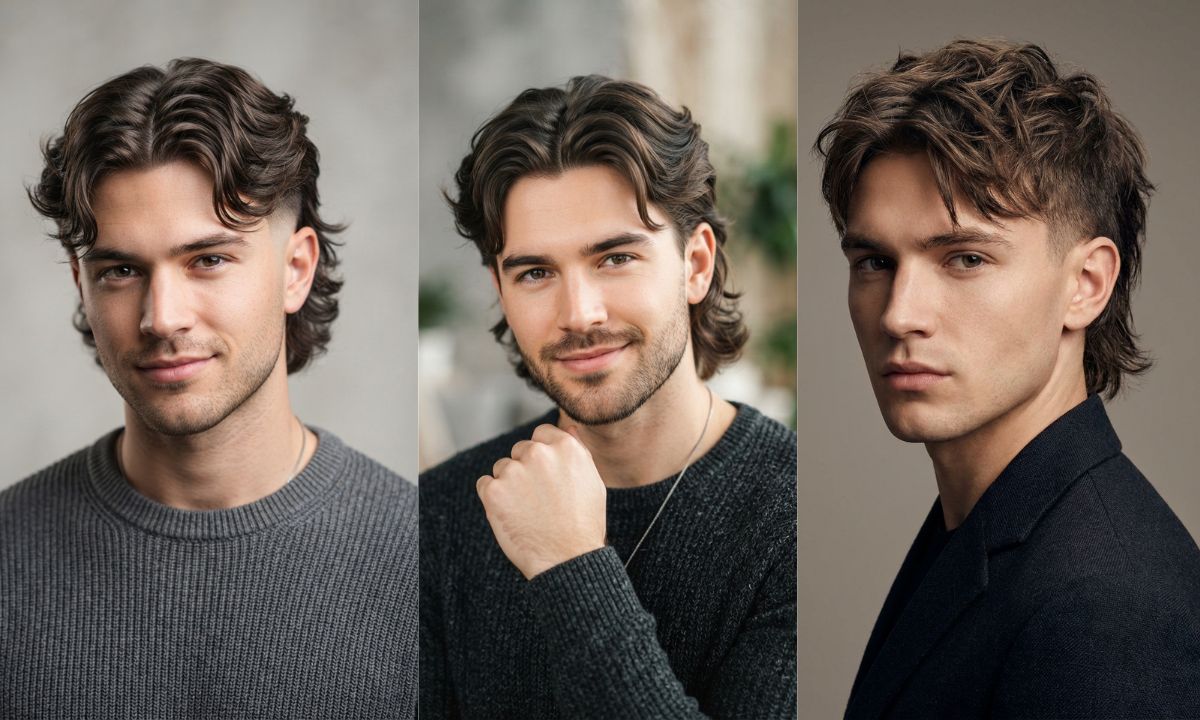
Want a haircut that looks bold but never messy? The middle part modern mullet is the answer most men are asking their barber for right now. It mixes the rebel energy of the old mullet with a clean, centered part.
You get length at the back, movement on top, and a face-framing shape that works almost anywhere. This guide walks you through 15 real variations, how to style each one, and who they actually suit. No filler, no guesswork, just what you need before your next barber visit.
The Evolution of Middle Part Mullet in Modern Fashion
The mullet used to mean one thing: short on top, long in the back, and not much thought put into either. It was a 1980s staple that barbers cut fast and nobody styled with care. That version is not what’s trending today.
The modern mullet haircut got a serious glow-up once the center part hairstyle entered the picture. Instead of hair falling wherever it wanted, it now splits evenly and frames the face like a curtain mullet. That single change gave the whole cut a sense of order it never had before.
Credit also goes to Korean hairstyle men trends and European street style haircut culture, both of which pushed the centered fringe into the mainstream. Add in TikTok transformation clips and Instagram before-and-afters, and you’ve got a haircut that spread fast. Barbers now use fades and internal layering instead of blunt scissor work, which is why this cut reads sharp instead of sloppy.
Read More: Stunning White Boy Haircuts You’ll Absolutely Love
15 Signature Variations of Middle Part Modern Mullet
Not every middle part mullet looks the same, and that’s the whole point. Your hair type, face shape, and daily routine should decide which version you pick. Here are 15 haircut variations worth bringing up at your next appointment.
Soft Divider Mullet

This is the gentlest entry point if you’re new to the trend. The soft divider mullet uses a natural part instead of a hard shaved line. Hair falls loosely on both sides with barely any product.
It’s a forgiving option for straight or slightly wavy hair. Think of it as the mullet’s “easy mode,” ideal for a first attempt. You get the shape without committing to anything dramatic.
Editorial Volume Mullet
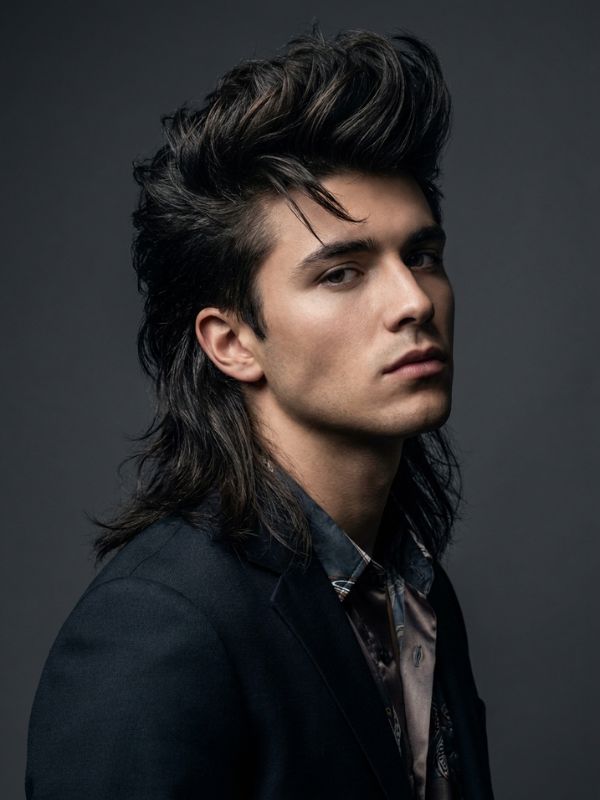
Built for the camera, this one goes big on crown height. The editorial volume mullet pairs serious lift on top with a fuller back section. Blow-drying against the hair’s natural fall creates that runway-ready shape.
A lightweight mousse locks the volume in without weighing it down. It’s not an everyday look, but it turns heads when you need it to. Save this one for events, shoots, or nights you want to stand out.
Skin Fade Center Mullet
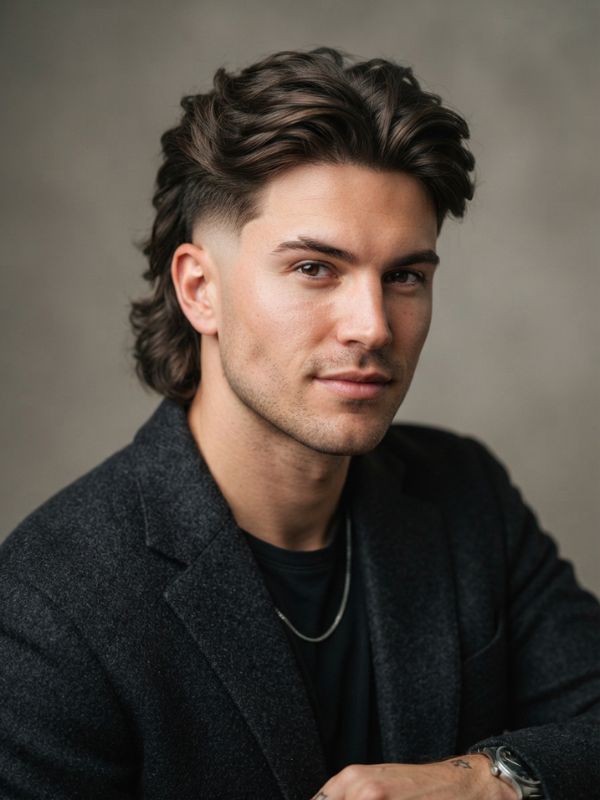
If contrast is what you’re after, this delivers. A tight skin fade on the sides meets a flowing, center part fade on top. The back keeps its length, giving you rock-star energy with barbershop precision.
This is probably the most requested combo among younger guys right now. It removes bulk on the sides while keeping every bit of drama up top. Ask your barber for a fade and mullet combination if this is the vibe you want.
Soft Layer Flow Mullet

Thick hair can feel heavy fast, and that’s where this cut helps. Internal hair layering strips out bulk while keeping the length intact. The part sits soft rather than sharp, letting the hair move naturally.
The back flows instead of sitting stiff, almost like waves in slow motion. This variation suits guys with medium to thick strands who want movement, not mass. It’s low-drama but far from boring.
Urban Texture Mullet

Choppy ends give this one a lived-in, street-ready finish. A matte clay or texture powder roughs up the top while the part stays defined. Pair it with stubble and it looks like you rolled out of bed on purpose.
This is a favorite in creative and streetwear circles. It photographs well without looking overworked, which is a hard balance to strike. If your style leans casual but confident, this cut fits right in.
Balanced Edge Mullet

Tapered sides instead of a fade give this cut a softer transition. The middle part with taper stays crisp and even on both sides. It’s one of the most workplace friendly mullet options on this whole list.
You get the mullet shape without the shock factor. Coworkers notice you got a haircut, not that you got a statement piece. This is the safest pick if you want the trend without the risk.
Curved Flow Middle Mullet
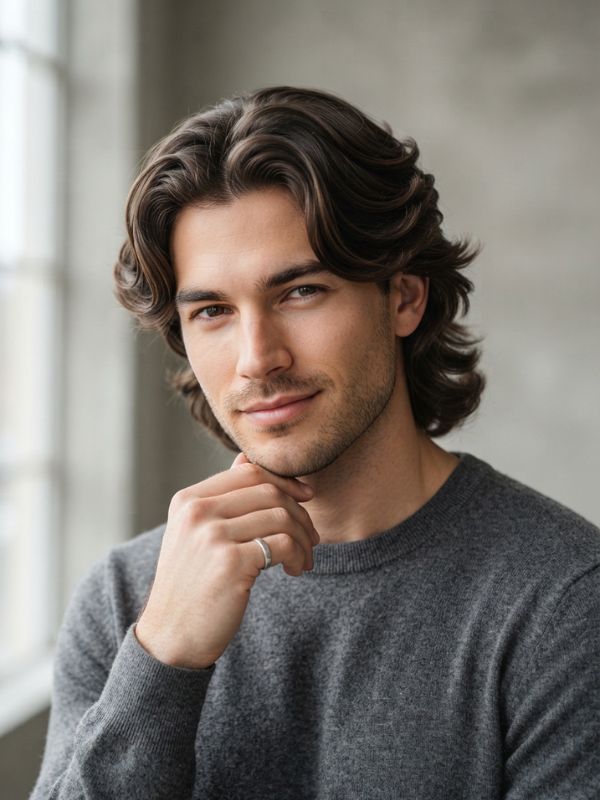
Instead of falling straight, the top curves gently around the face. It almost mimics a curtain fringe mullet, but with mullet length at the back. This softness works especially well for round or oval faces.
The curve breaks up strong jawlines and softens sharp angles. It’s a small styling detail that changes how the whole cut reads. Ask your barber to angle the cut toward your face, not just downward.
Minimal Precision Mullet

This is the cleanest, most restrained version of the trend. Sharp lines, a tight taper, and a subtle part replace the dramatic styling seen elsewhere. It’s about as close to corporate hairstyle territory as a mullet gets.
If your office has a dress code, start here. You still get the shape, just dialed down several notches. Precision over drama is the whole idea behind this cut.
Heavy Texture Center Mullet
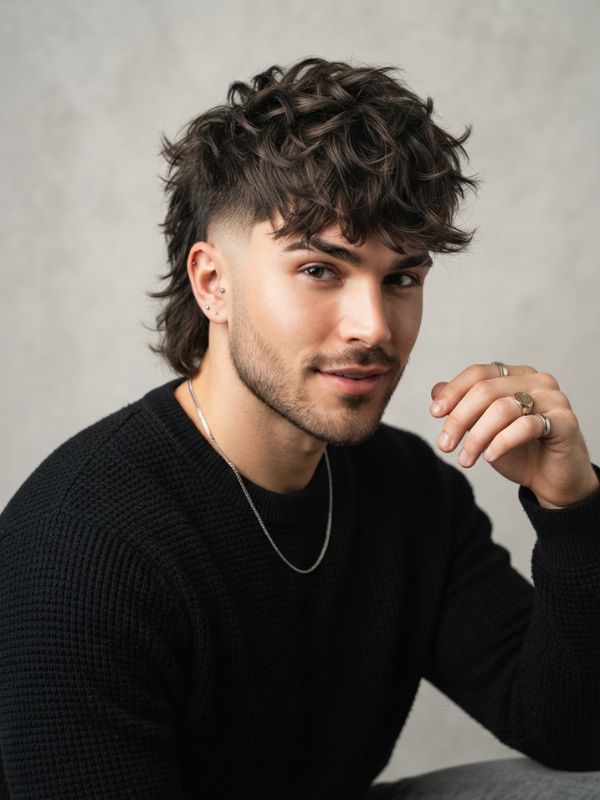
Thick, coarse hair can handle serious texture, and this cut proves it. Chunky texturing throughout the crown adds volume and a bit of grit. The part still holds the whole look together, but the vibe leans wild.
This isn’t a subtle cut, and it’s not trying to be. If your hair is naturally coarse hair texture, this style makes the most of it. Expect double takes, in a good way.
Loose Wave Mullet

Natural waves need somewhere to fall, and the middle part gives them exactly that. The loose wave mullet flows through both the top and back sections. A sea salt spray enhances texture without flattening the shape.
This is a go-to for wavy and curly hair types. It requires almost no daily effort once it’s cut right. Low maintenance, high payoff, basically the dream combo.
Sharp Contrast Mullet
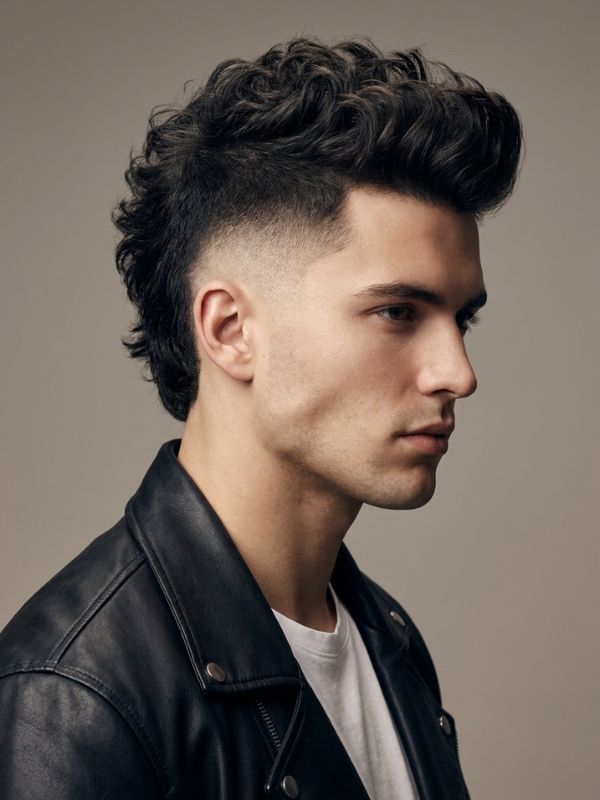
High contrast is the entire point of this style. A shaved or tightly faded side meets a noticeably longer, fuller top and back. The part creates a clean line that makes the length look even more dramatic.
This is the boldest cut on the entire list. It’s not for everyone, but it’s unforgettable on the right person. If you want maximum attention, this is where you land.
Modern Soft Drop Mullet
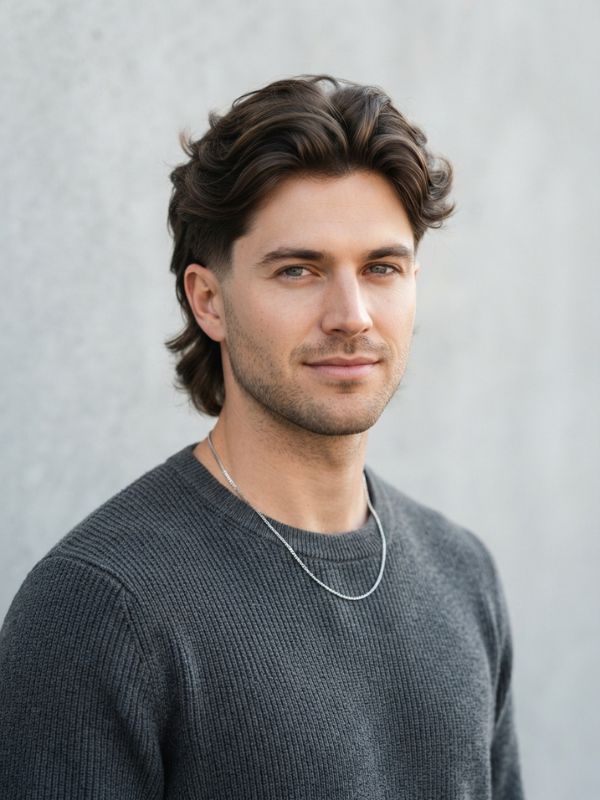
Rounded edges and a gentle drop past the ears define this look. There’s no blunt cutting here, just soft, forgiving lines throughout. Combined with the part, it creates an easy, almost undone silhouette.
This is the lowest-maintenance option on the list. You don’t need a daily styling routine to keep it looking right. It’s forgiving if you skip a barber visit or two.
Professional Styling Breakdown
Cutting the shape is only step one. Styling is what makes the difference between sharp and unfinished. Here’s what barbers actually do to keep this cut looking right.
Use Lightweight Texture Products
Heavy pomades flatten the crown, and that works against everything this cut needs. A light hold clay, texture powder, or sea salt spray adds grip without collapsing the shape. Lightweight hair products are non-negotiable here.
Skip anything marketed as “extra hold” unless you want a helmet effect. The goal is movement, not stiffness. Less product, applied correctly, beats more product every time.
Maintain Natural Symmetry
The part only works if both sides fall evenly. Blow-dry each side in the same direction while the hair is still damp. This keeps natural symmetry intact instead of one side sitting flatter than the other.
A wide-tooth comb helps guide the hair as you dry it. Skipping this step is the fastest way to an off-balance mullet. Five extra minutes here saves you a bad hair day later.
Focus on Controlled Volume
Volume should build at the crown and taper down smoothly. Random spikes ruin the intentional look this cut is going for. Round brush styling while blow-drying lifts the roots without overdoing it.
Let the mid-lengths fall naturally once the roots are set. Controlled hair volume looks deliberate, not accidental. That distinction is everything with this haircut.
Regular Shaping is Key
The short-to-long shape grows out unevenly, and that’s just how mullets work. Sides and top lose their edge faster than the back does. A trim every 4 to 6 weeks keeps the fade sharp while the back keeps growing.
Skipping trims doesn’t save time, it just costs you the shape. Fade maintenance and taper maintenance are part of the deal with this cut. Book the appointment before you actually need it.
Heat Styling Direction Matters
Blow-drying direction trains your hair over time, whether you realize it or not. Aim the airflow downward and outward from the center part. This is the correct heat styling direction for this specific cut.
Styling against this pattern, especially early on, causes awkward crown clumping. It’s a small habit that makes a big difference after a few weeks. Get this right and the rest of your routine gets easier.
Hair Type Guide: Finding Your Best Match
Not every mullet variation suits every strand type, and that’s worth knowing before you sit in the chair. Straight hair holds a crisp part with almost no effort. Straight hair mullet styles look clean with minimal product.
Wavy hair mullet and curly hair mullet types bring natural texture the cut can lean into. A little curl cream or hair mousse defines curls without adding frizz. Thick hair mullet wearers should ask about internal layering to avoid bulk.
Thin hair styling needs a different approach entirely. A hard part can expose scalp and make hair look sparser than it is. Texturizing or a slightly off-center part usually solves that problem fast.
Who Should Choose This Hairstyle?
This cut is flexible, but it’s not universal. It suits certain hair types, face shapes, and lifestyles better than others. Here’s a quick rundown before you commit.
- Oval face haircut, round face hairstyle, and square face hairstyle types all balance well with this shape
- Straight, wavy, or loosely curly hair that holds a center parted hairstyle without constant fixing
- Anyone growing out a buzz cut who wants style during the process
- People in creative industry hairstyle fields like music, design, or content creation
- Anyone comfortable with regular barbershop visits for fade and taper upkeep
Very fine or thin hair without added texture is the one exception. The part can expose scalp and reduce fullness fast. A stylist can adjust for this with the right technique.
Style Positioning in the Modern Fashion Industry
This haircut sits in a strange, interesting spot right now. It reads as both nostalgic and completely current at the same time. Stylists use it on runways, and streetwear brands treat it as a small act of rebellion.
Musicians and athletes wearing longer, center part hairstyle mullets on stage pushed this look into the mainstream. That visibility took it from niche barbershop request to genuine men’s haircut trends 2026 staple. It’s not a passing moment, it’s a shift in how men approach modern grooming styles.
What keeps it relevant is range. Dial it up with a fade and heavy texture for a bold statement. Dial it down with a soft taper for something office-appropriate instead.
Common Mistakes to Avoid With This Cut
Even a great haircut can go wrong with the wrong upkeep. Overusing heavy product is the most common mistake guys make. It kills the movement this cut depends on.
Skipping trims is the second big one. The hair trimming every 4 to 6 weeks rule exists for a reason. Let it slide too long and the shape just falls apart.
Bringing a vague description instead of a reference haircut photo also causes problems. Barbers can’t read your mind, and “make it like a mullet” isn’t specific enough. A photo, plus a clear ask on fade height and back length, avoids most bad outcomes.
Frequently Asked Questions
Is the middle part mullet still trending in 2026?
Yes, it’s still one of the most requested cuts this year. Social visibility and its range across face shapes keep it relevant. It’s not slowing down anytime soon.
How long does it take to grow a middle part mullet?
Most guys need three to five months of back growth. Keep the sides trimmed during that stretch to hold the contrast. Patience matters more than speed here.
What face shapes suit this haircut best?
Oval, round, and square shapes generally do well. The center part and framing layers balance out proportions. Your barber can confirm what works for your specific features.
Can I get a middle part mullet with curly hair?
Absolutely, curly hair adds natural texture and volume. A curl cream or mousse defines the shape without frizz. Curly types often need less product overall than straight hair does.
How often should I trim a middle part mullet?
Every four to six weeks keeps things sharp. This protects the fade and taper while the back keeps growing. Skip it and the whole shape loses definition fast.
What products work best for styling?
Sea salt spray, texture powder, and light hold clay are the top picks. They all add grip and movement without flattening the crown. Avoid anything heavy or wax-based unless you want a stiffer finish.
Is this haircut suitable for professional workplaces?
Softer versions like the Minimal Precision or Balanced Edge mullet work well. They keep the shape polished enough for most office settings. Save the bolder variations for outside of work.
Does this style work with thin hair?
It can, with a few adjustments. Texturizing or an off-center part helps avoid exposed scalp. Talk to your stylist about the best approach for your density.
Final Thoughts
The middle part modern mullet earns its spot as one of this year’s defining cuts. It solves an old problem: how to wear something bold without looking careless. The center part brings order, and the length keeps the edge.
With 15 variations on the table, there’s a version for nearly every hair type and lifestyle. Pair the right cut with lightweight products, regular trims, and consistent styling direction. Do that, and it’ll look just as sharp on day thirty as it did the day you left the chair.
Got a variation you’re leaning toward, or a question about your own hair type? Drop it in the comments and let’s figure out the right fit together.

Meet Zyon, the creative voice behind Hair Love. With a strong passion for hair care, styling, and beauty education, Zyon shares practical tips, trusted advice, and easy solutions to help readers achieve healthier, stronger, and more beautiful hair.